

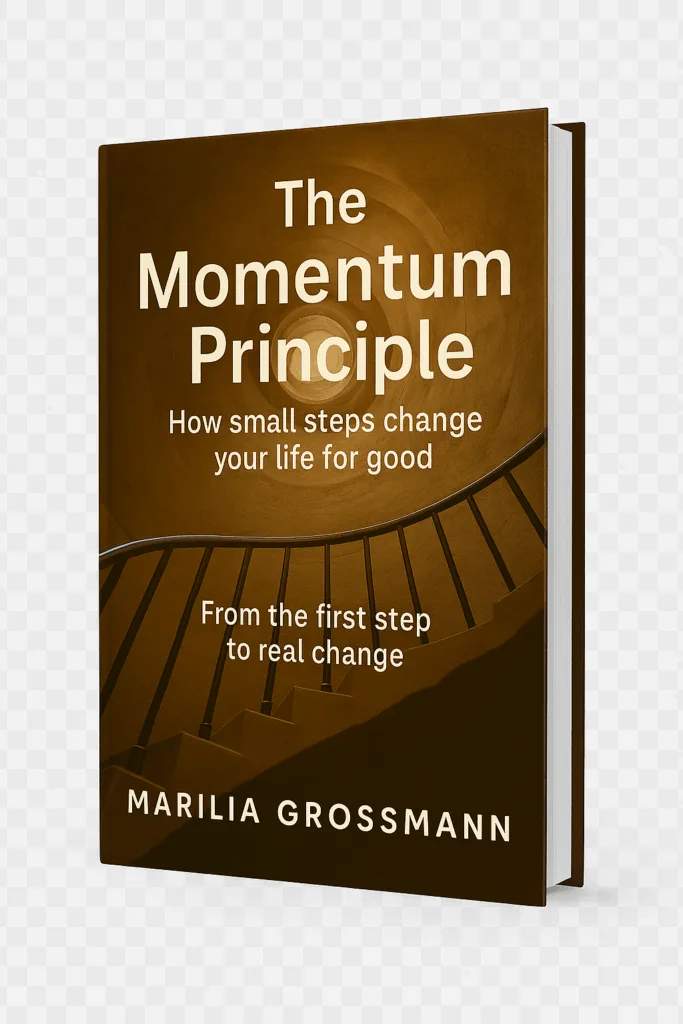
eBook – The Momentum Principle
“The Momentum Principle” is not just another self-help book — it is a quiet guide to genuine transformation. It reveals how small, intentional steps can create deeper impact than big resolutions — and how mindfulness, structure, and calm consistency keep you on your path.
You’ll learn how to shape habits with awareness, embrace setbacks, and create a life in balance. No pressure, no overwhelm — just a steady, peaceful movement that grows with you, step by step, day by day.
-
 AuthorMarilia Grossmann
 -
 LanguageEnglish
 -
 FormatE-Book (EPUB3)
 -
 PublisherSelf-Published
 -
 Release Date2025
 -
 CategorySelf-Development / Mindfulness / Psychology
 -
 Title“The Momentum Principle – Small Steps. Big Impact.”
 -
 Price$10.00
✨ Get Your Copy
The Momentum Principle – your calm guide to lasting change. Discover how small, mindful steps can create a big impact – with clarity, structure, and inner peace for everyday life.
Buy Now – only $10.00Price includes VAT (where applicable) · Instant digital download (EPUB3 format) · 60-day money-back guarantee, no questions asked.
📘 E-Book
What awaits you inside this book?
- A clear system – small steps with big impact
- Practical exercises – easy to integrate into daily life
- Inspiration for mindfulness, focus, and self-confidence
- Insights from psychology & habit formation research
- A calm path toward lasting change
🌿 Your quiet guide – to find inner balance, shape habits consciously, and live transformation at your own pace.
✨ Includes access to bonus material & 30-day workbook.
“The Momentum Principle – Small Steps. Big Impact.” is a calm guide to lasting change — clearly explained, with inspiring prompts for habits, focus, and inner balance — for everyone seeking more clarity and ease in daily life.
Change isn’t a leap — it’s movement. This book shows how small, intentional steps create stability and clarity without pressure or overwhelm. Learn how routines become gentle anchors that carry you forward with ease.
“The Momentum Principle” was born from a desire to offer a mindful alternative to fast-paced self-improvement. It invites you to find your rhythm — with calm, structure, and quiet consistency.
- Practical: small steps that truly stick
- Clear: simple, understandable principles
- Effective: deeply rooted habits instead of fleeting motivation
- Gentle: change without pressure, at your own pace
- Includes Workbook: 30-day Momentum Tracker & bonus exercises
It’s not about doing more — it’s about doing what matters. Recognize patterns, simplify, and act with clarity and presence.
The Momentum Principle helps you integrate new habits so deeply they become part of who you are — not through force, but through awareness, repetition, and meaning.
- Prompts for focus, mindfulness, and stability
- Exercises for mental clarity and daily alignment
- Routines for energy, structure, and calm
Experience how small steps can transform your life — quietly, clearly, and sustainably. Includes workbook, bonus material, and 30 days of momentum inspiration.
Buy Now – $10.00Price includes VAT (where applicable) · Instant digital download (EPUB3 format) · 60-day money-back guarantee, no questions asked.
Chapter 1 – The Illusion of Big Leaps
Chapter 1 – The Illusion of Big Leaps

We long for the moment that changes everything—the single breakthrough that splits a life into before and after. That longing is human. It’s been fed by stories where heroines become who they were meant to be overnight. But in real life—yours and mine—change rarely feels like fireworks. It’s more like a candle’s quiet glow: flickering at first, then warming the room with steady light. The illusion of big leaps is seductive. It just isn’t necessary. What truly carries you forward isn’t heroics, but small, repeated steps that add up in silence.
Big leaps make noise. They promise speed, visibility, recognition. They also demand a lot: courage, energy, time, and conditions that rarely arrive all at once. The price is often discouragement. Those who wait for the leap stand still for a long time. And those who leap don’t always land where they intended. Small steps look ordinary—yet they are the only reliable currency of real change. They respect the physiology of your nervous system, the inertia of habit, and the rhythm of a full life. They meet you where you are instead of overwhelming you.
The myth of the leap is often born from stories told backward. We see the result—the marathon, the company, the published book—and edit out the path: early mornings, scrapped drafts, repetition, doubt. The camera freezes the breakthrough, but life is not a still frame. It’s a sequence of moments, small stones laid into a path. The Momentum Principle takes that sequence seriously. It says: you don’t need to wait for the perfect moment. You make it—by starting and continuing.
You might believe small steps are a waste of time. “If I start, I should do it right,” a voice whispers. But “right” often means “big,” and “big” often means “unrealistic.” Small steps aren’t the opposite of ambition—they’re the method of ambition. They let you lower the friction of starting and feel the reward of doing early. They’re so small you can complete them even on hard days—and so meaningful that, over weeks and months, they weave a new identity: someone who shows up, guides themselves, and turns responsibility into action.
The illusion of big leaps feeds on comparison. We measure our beginning against someone else’s middle. In doing so, we miss the invisible compounding effect: repetition amplifies impact. What’s barely noticeable today becomes tomorrow’s habit and the next day’s competence. Each repetition smooths the edges, makes the path familiar, reduces effort. You don’t need to do more each day—only to do it again, while keeping the threshold low. That’s how you build momentum: a force that carries you even when motivation grows quiet.
Change is rarely a thunderclap. It’s a whisper you hear often enough that you finally follow it.
Perhaps you know the pattern: you set a big goal, plan meticulously, launch—and stop after a few days. Not because something is wrong with you, but because the plan doesn’t speak to the life you actually live. Big leaps collide with meetings, fatigue, and the unexpected. Small steps leave room. They fit between two appointments, at the kitchen table, into a commute. They are kind to you. And kindness isn’t a luxury—it’s self-respect made practical. When you take yourself seriously, you design for success.
In a life full of demands, it isn’t intensity that sustains you—it’s continuity. Small actions anchor you in the present. They remind you that progress is not a sprint, but a sequence of breaths. When you make peace with that slower rhythm, something opens: a sense of inner safety. You know that even on tired days, you still have agency. That knowing is invaluable—it’s the foundation of trust.
Psychology of Small Steps
Behind small steps is a simple, powerful psychology. Each time you complete a task—no matter how small—your brain releases dopamine. That chemical reinforces the behavior that led to the reward. It says, “Do that again.” A positive feedback loop forms that replaces the need for oversized willpower. You don’t have to force motivation when your brain begins to enjoy progress. That’s not wishful thinking—it’s neurobiology.
At the same time, you train your sense of self-efficacy. With every small step, you prove to yourself that you have influence—that you’re not powerless against inertia or circumstance. Self-efficacy is one of the strongest predictors of long-term well-being—stronger than success, status, or applause. When you experience yourself as effective, you begin to cooperate with reality instead of fighting it.
Small steps are also reality-compatible. They account for the fact that no day is ideal—that fatigue, emotions, and distractions are part of life. They’re like a safety net: even if you slip, you’re still in the game. This game isn’t won by the fastest, but by the one who keeps making small moves. You can be wrong, pause, begin again—the system holds because it’s built on repetition, not perfection.
So the Momentum Principle isn’t about wanting less, but about acting smarter. Lower the hurdle and resistance drops. Make progress visible and trust rises. Connect action with meaning and you create purpose. From there, a quiet, sustainable dynamic emerges—from the inside out.
Small steps are concrete. Instead of “I’ll run ten kilometers three times a week,” the step is: “I’ll put on my shoes and walk for five minutes.” Instead of “I’ll finally write my book”: “I’ll open the document and write three sentences.” Instead of “I’ll change my diet”: “I’ll drink one extra glass of water today.” These mini-actions aren’t symbolic—they’re the ignition sequence for behavior. They lower activation energy and send a signal to your brain: Something is happening. Once you begin, your inner dialogue shifts. “Too much” becomes “doable.”
There’s another principle here: identity follows action—not the other way around. You don’t wait to feel like a runner before you run. You run, and the feeling arrives. You don’t wait for courage to speak. You speak, and courage grows in the act. Big leaps demand identity in advance. Small steps build it along the way. Every micro-win is a new fiber in your self-image—and with each fiber, the pull gets lighter.
You may notice this principle changes more than behavior—it changes relationship, especially with yourself. When you stop grading your life by “all or nothing,” you make room for compassion. You recognize that you’re learning. That you’re allowed to grow without being perfect. Self-development stops being a project you run against yourself—and becomes a practice that strengthens you.
Of course there are moments when a big move is wise: a clear no, a resignation, a relocation. But even those decisions are rarely isolated leaps. They’re prepared by many small acts of clarity, conversation, and inner sorting. When the leap comes, it’s often just the visible part of what has been built invisibly over time. The Momentum Principle doesn’t reject courage. It supports it—by placing it on a steady foundation of habit.
Objections often rise from impatience: “Can’t it be faster?” Yes and no. Faster than standing still: yes. Faster than unrealistic plans: also yes. Faster than human nature: rarely. If you chase acceleration without stability, you gain speed and lose traction. Small steps strengthen stability. They leave room for feedback. You correct course before you drift too far. That’s how a practice evolves that lasts—because it fits you. Adaptation isn’t a sign of weakness; it’s a sign of intelligence.
This is where your personal entry begins. Choose one area that matters to you and define the smallest meaningful step—so small you can complete it today. Set a cue to remind you: a sticky note, a timer, a visible object. Anchor the step to something that already happens (making coffee, brushing teeth, closing the door). And celebrate completion, not magnitude. The feeling “I took action” is tomorrow’s fuel.
Reflection: Honoring Small Action
When you catch yourself romanticizing the big plan, allow yourself to think small again—not from fear, but out of respect for reality. Small isn’t timid. Small is precise. Small is doable. Doability is the bridge between insight and embodiment. On that bridge, you’ll meet yourself—not as a distant ideal, but as someone who began today.
You may find that small steps carry a kind of sacredness. They ask for presence. They bring you back to the moment. There’s a quiet dignity in them: choosing the process even when no one is watching. They free you from applause, metrics, and perfection. They teach patience—not as waiting, but as trust in the power of repetition.
That is the invitation of this chapter: let go of the idea that change must be a spectacle. Give small actions the chance to add up. Let your system tolerate the new instead of forcing it. The big leap may be spectacular—but quiet, steady progress is infinitely more reliable. With every small step, the most surprising force grows: your trust in yourself.
In the chapters ahead, you’ll find concrete tools to shape this practice: how to lower start thresholds, use triggers, apply rewards wisely, and integrate setbacks without breaking the chain. For now, a beginning is enough. Breathe. Choose one step. Take it—and repeat it tomorrow.
The small is the form in which the great endures.
Chapter 2 – How Habits Really Work
Chapter 2 – How Habits Really Work

Habits are the quiet architecture of our lives. They decide what we do without thinking—how we begin, respond, and end. They shape identity softly, day after day. Change doesn’t succeed because we force ourselves once, but because we build structures that carry us when motivation is long gone. This chapter shows how habits actually work—biologically, psychologically, and practically. Once you understand the mechanics, you can guide them—gently, consciously, and with stability.
The power of habit lies in how unnoticed it feels. No one has to remember to brush their teeth in the morning or unlock their phone. Repetition anchors behavior in the nervous system until it becomes effortless. That’s not mindless automation—it’s efficiency. The brain loves patterns. It saves energy by preferring what’s familiar. This comfort isn’t laziness—it’s survival logic. We can let it work against us—or for us.
The Loop—Cue, Routine, Reward, Meaning
It begins with the cue. Every habit has a trigger that sets it in motion: time, place, feeling, person, action. The cue is the door. No door, no entry. Many plans fail because they name only the behavior (“read more”) but never define the door (“read one page after brushing my teeth”). Ask yourself: How will my body know it’s time to start? The clearer the cue, the less debate in your head. Habits love clarity.
Next comes the routine—the action itself. Let it start small—so small you can do it even on hard days. That’s not compromise; it’s strategy. The nervous system loves predictability. A reliably tiny entry sends the signal “safe, doable.” From that feeling, willingness grows. Small routines are like ramps: low enough to start, steady enough to continue.
The third element is the reward. It closes the loop because it teaches your brain the behavior is worth it. Reward doesn’t mean candy or shopping. Reward is any felt signal of “good”: a checkmark, a breath, a moment of pride, a glance at a growing chain of dots in a calendar. Immediacy matters. Your brain learns from nearness. The faster the feedback, the stronger the trace.
And finally: meaning. We stick with routines not only because they work but because they say something about us. “I’m someone who shows up.” Identity is the glue. Every repetition is a vote for the self you’re inhabiting. Habits work best when they sit inside a story you want to believe—a story in which small actions are expressions of dignity.
Identity follows action. Small, repeated deeds are ballots for the self you choose to live in.
The Friction Principle
Every behavior has friction—little resistances between intention and action. Friction can be physical (a complicated login), emotional (shame, uncertainty), or mental (overwhelm, too many options). Successful habits emerge when you design friction on purpose.
- Lower friction for what you want: set out the water bottle, leave the document open, place workout clothes in sight, keep the notebook in the same spot.
- Raise friction for what you don’t want: move snacks out of view, keep the phone out of reach, log out of social apps, turn notifications off.
- One-click rule: make the first action possible in one click, one reach, one step.
Every action is an energy exchange. Small environmental tweaks redirect the current. Instead of fighting your nature, you reroute it quietly. That’s the unspectacular magic of smart habit architecture.
Start Thresholds & Trigger Design
Cues work best when they’re clear, visible, and paired. Name an existing routine (the anchor) and attach the new action right after it. This is habit stacking.
- After pouring coffee, I open my document and write one sentence.
- After brushing my teeth at night, I read one page.
- After closing the front door, I take three calm breaths.
Avoid vague starts (“sometime today”). The brain needs crisp edges—time, place, action. If a cue stops working, change it. Habits are a relationship, not a contract.
Emotions as Amplifiers
Many think habits are pure discipline. In truth, they’re emotionally coded. Any repetition that feels good is more likely to survive. Joy, pride, relief—these are biological amplifiers. They tell your brain, “More of this.” That’s why cultivating positive micro-feelings beats trying to shame yourself into change.
When you begin a habit, celebrate minimally. A quiet “yes,” a warm exhale, a small gesture. Not as self-congratulation but as recognition of movement. Over weeks, this builds emotional safety: you learn to trust yourself.
Negative emotion is like sand in the gears. If you tie a routine to self-criticism (“Only five minutes—again”), you reduce its likelihood of repeating. Gentle persistence, on the other hand, builds a stable memory: your system learns this action is safe.
Context, Language, and Structure
Behavior is place-bound. If you always write or meditate in the same spot, the space itself becomes a signal. Rooms have memory—use it. Create small zones: a desk for focus, a chair for quiet, a place for beginning. Likewise: if you want to break a pattern, change the context. Go elsewhere, change light or sound. New places open new behavioral paths.
Language is like software. Words like “must” create resistance; “I choose” creates room to act. Don’t call your routine a “duty”—call it a “ritual.” Speak about “experiments,” not “failures.” Language shapes stance; stance shapes stamina.
Structurally: schedule habits like appointments. Make them visible, prepare them, keep them short. A five-minute action done daily beats a one-hour ideal done rarely. Frequency outperforms intensity.
The If–Then Principle
Habits become sturdier when you plan for disruptions. Set a simple if–then rule in advance:
- If I miss my morning slot, then I do the mini version before dinner (60 seconds).
- If I’m on the go, then I replace writing with a 30-second voice note.
- If I feel overwhelmed, then I set a two-minute timer and begin.
These tiny protocols remove pressure. Instead of “all or nothing,” you practice “always something.” That keeps the habit thread intact.
Measurement, Visibility, Feedback
What’s visible is more likely to be repeated. Visibility isn’t control—it’s care. Use simple marks:
- One checkmark per day in a calendar.
- A don’t-break-the-chain dot line—with a gentle rule: gaps are allowed; returning matters more.
- A mini note: “Date — What did I begin?”
Choose a measure that honors the action, not perfection. A visible trail reminds you of the nature of your change: quiet, but real.
Social Habits
People mirror people. If you have someone walking the same path—locally or online—your consistency rises. It’s enough to show each other progress: a checkmark, a short “done.” Visibility creates quiet accountability without pressure.
A good habit grows easier when it touches more than you. Shared change feels like contribution. Maybe you read in the morning so you speak more calmly. Maybe you train to bring more energy into your relationships. Habits that serve meaning beyond the self last longer because they’re woven with purpose.
Tending the System
Many habits don’t fail at the routine—they fail for lack of maintenance. Habits are like plants: they need light, water, attention. Observe your routines like a gardener—without judgment, with curiosity.
- Monthly check-in: What felt light? Where was there too much friction?
- Prune: shrink oversized routines instead of abandoning them.
- Repot: change place, time, or sequence when the context no longer fits.
Consistency isn’t rigidity; it’s relationship. You’re allowed to adjust without “starting over.” It’s a cycle of listening, tweaking, continuing.
Relapse as Part of the System
Relapses aren’t malfunctions—they’re feedback. Behavior rarely runs in straight lines. What matters isn’t whether you fall, but how you return. Create a personal return protocol:
- If you miss two days, come back with the smallest version.
- Name the reason without judgment (“too tired,” “forgot”) and adjust the cue.
- Note what would have helped—and choose one step for tomorrow.
Return speed is strength. Each restart confirms: you are someone who shows up again. In this way, setbacks become building blocks of trust, not breaks in it.
Mini Catalog of Practical Habits
Inspiration helps at the start. Use these examples as templates and adapt them to your life—always with the smallest safe version.
- Focus: after booting the computer, spend 60 seconds closing the inbox and opening the key document.
- Writing: after coffee, one sentence in the working draft.
- Movement: before showering, five squats.
- Reading: one page before bed.
- Order: after dinner, return one item to its place.
- Mindfulness: at the door, three calm breaths.
- Learning: after lunch, review two vocabulary words.
- Connection: after breakfast, send one short, kind message.
Case Study: From Intention to Practice
Anna wants to “read more.” The intention is big; her days are full. She designs the habit like this:
- Cue: after brushing her teeth at night.
- Routine: read one page (mini version: three paragraphs).
- Reward: a small calendar checkmark and a conscious exhale.
- Meaning: “I give my mind a calm close to the day.”
- If–Then: if she’s too tired at night, she reads one paragraph at the breakfast table.
- Friction: the book lies on the pillow; the phone charges in the hallway.
After four weeks, one page is often too little—and still, it remains the anchor. Some nights it’s just a paragraph. That’s enough. This system lives on repetition, not heroics.
Myths & Misunderstandings
- “Nothing works without motivation.” — Motivation is the spark. Habits are the idling engine: small, quiet, reliable.
- “Discipline is innate.” — Discipline is environment design plus clear starting signals.
- “If I skip, it’s ruined.” — Skips are part of the process. Returning counts double.
- “Starting big is more efficient.” — Big is rarely stable. Stability beats speed.
Filling Habits with Meaning
Habits that attach to inner values survive. Link action to a value:
- Health: “I move to feel free for a long time.”
- Connection: “I write to speak more clearly.”
- Calm: “I read to soften the day’s end.”
- Growth: “I learn to stay curious.”
Meaning isn’t a slogan. It’s a quiet alignment that reminds you why smallness matters.
Fine-Tuning: Three Dials
If a habit stalls, adjust three dials:
- Smaller: halve the scope. Ten minutes become two; five sentences become one.
- Nearer: move the routine to where you already are. Proximity beats willpower.
- Clearer: renew the cue. “After the kettle boils” instead of “sometime in the morning.”
One Month to Establish
Use four weeks as a gentle frame:
- Week 1 – Begin: just show up. Micro version, daily checkmark.
- Week 2 – Stabilize: same time, same place. Reduce friction.
- Week 3 – Deepen: optionally expand, gently (never mandatory).
- Week 4 – Anchor: articulate meaning, renew if–then, practice returning.
After a month, the habit is still young—but rooted. You’ll know because skipping feels odd and returning feels easy.
Reflection: Your Personal Lever
Put it all together and you’ll see: habits aren’t a mystery. They’re systems that respond to clarity, simplicity, and meaning. The cue makes starting easy. The routine keeps it small and doable. The reward stabilizes. Meaning anchors. Environment, language, social witness, if–then rules, and emotional feedback are the fine adjustments—the levers you can pull.
Choose one area that truly matters. Define a clear cue, a tiny routine, an immediate reward, and a return signal for missed days. Shape your environment so the right thing is the easy thing. Then begin—kindly, curiously, without fuss.
Every repeated step sends a message to yourself: “I am in motion.” One day you’ll notice the action that once felt like effort has become part of your natural rhythm. That’s how momentum forms—not as an exception, but as normalcy.
Consistency isn’t coercion—it’s the art of supporting yourself.
Chapter 3 – From Goals to Identity
Chapter 3 – From Goals to Identity

Goals are verbs for the future: lose, publish, save, run, learn. They point to what isn’t here yet and can motivate because they give direction. But goals have a weakness. They tie motivation to a distant checkpoint and ignore the person who has to get there. Identity thinks differently. It asks: Who do I need to be in small ways so the big result almost takes care of itself? This chapter invites you to shift energy from outcome lists to a durable self-image—not as mysticism, but as a pragmatic architecture for consistent action.
Many people pursue goals like arrows: draw, aim, release—hoping for a bull’s-eye. After impact, there’s often an empty space. The goal is reached, but no new rhythm exists. Identity work doesn’t aim at the moment—it aims at the pattern. It creates continuity because it integrates action into the self. You stop forcing yourself because you begin to be.
Become the person your goal already trusts—quietly, repeatedly, for real.
Show more
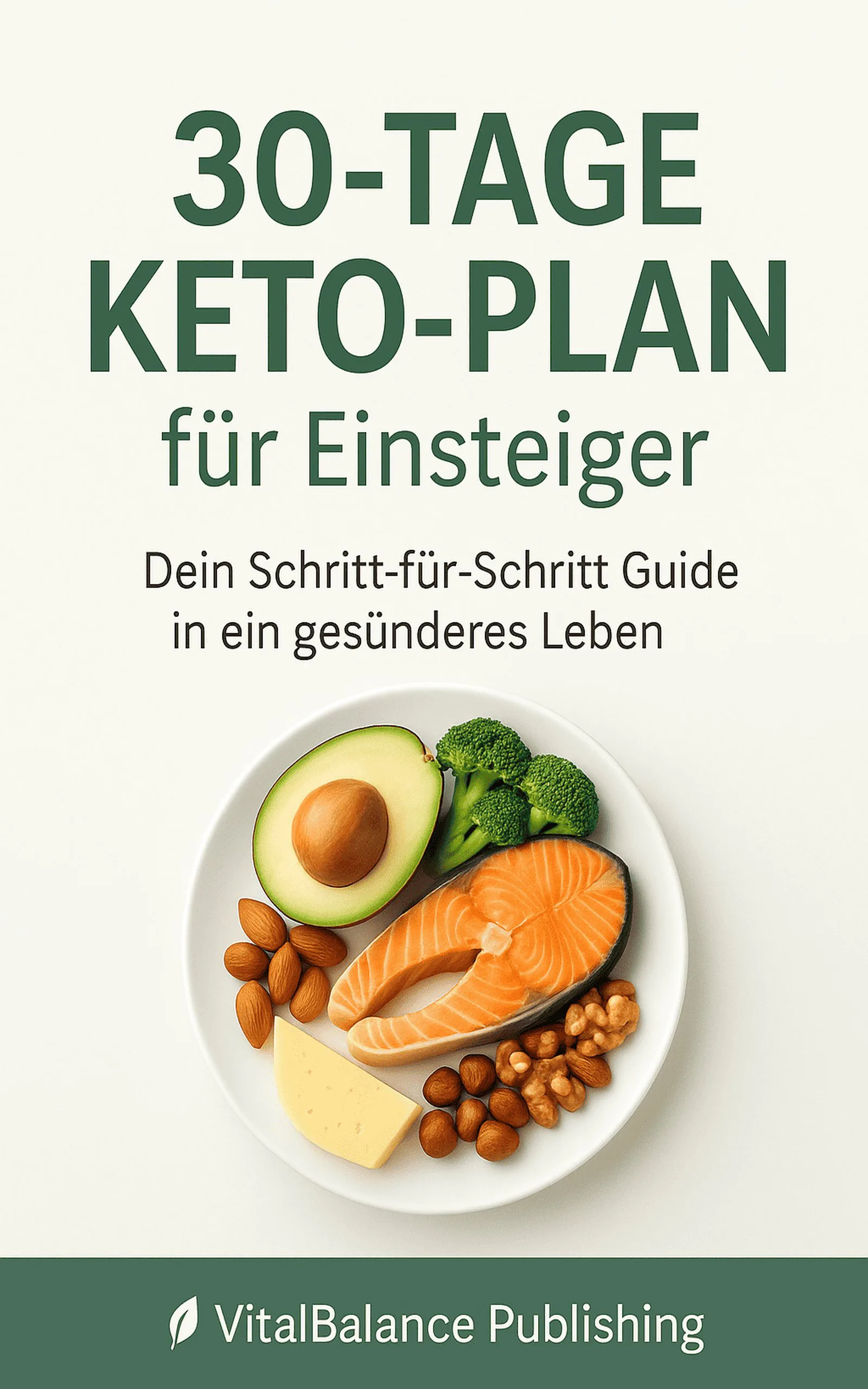
Your step-by-step guide to a healthier life:
Clear routines, simple recipes, and practical tips for more energy and well-being.
Show more
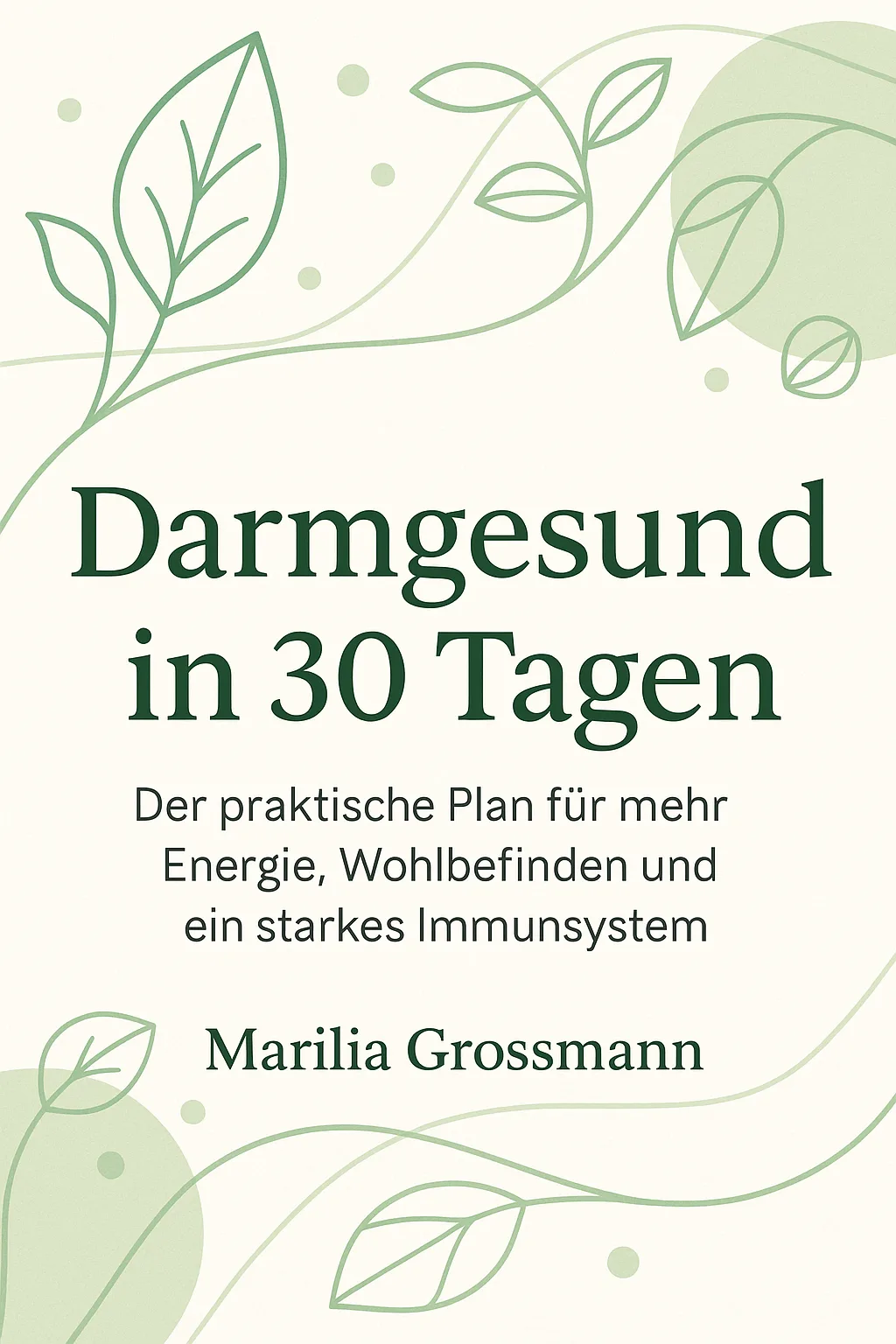
Your 30-day plan for a healthy gut:
Targeted nutrition tips, structured guidance, and everyday advice for lasting well-being.
Show more
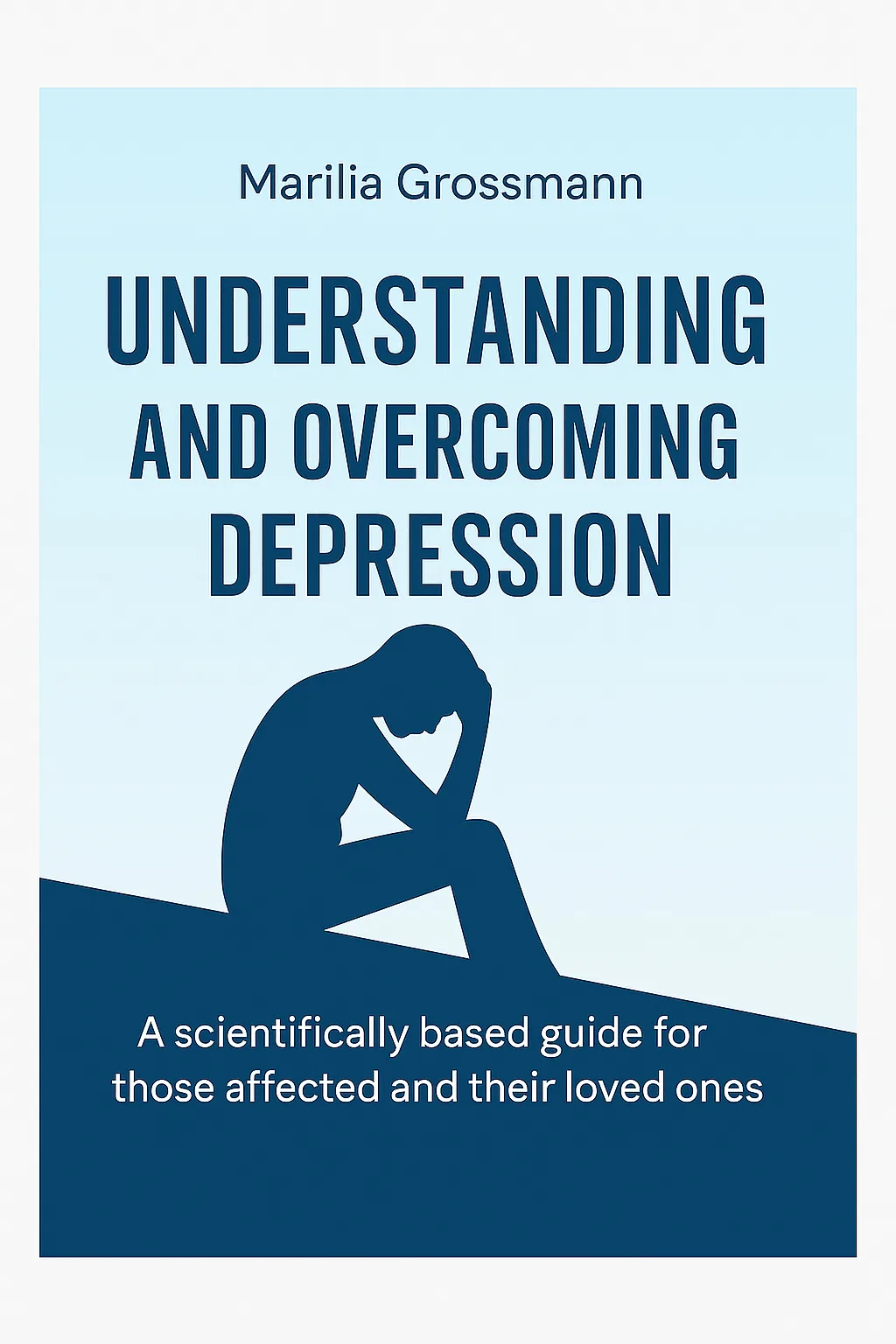
Understanding and Overcoming Depression
Evidence-based insights, clear explanations, and proven ways to restore balance and hope.